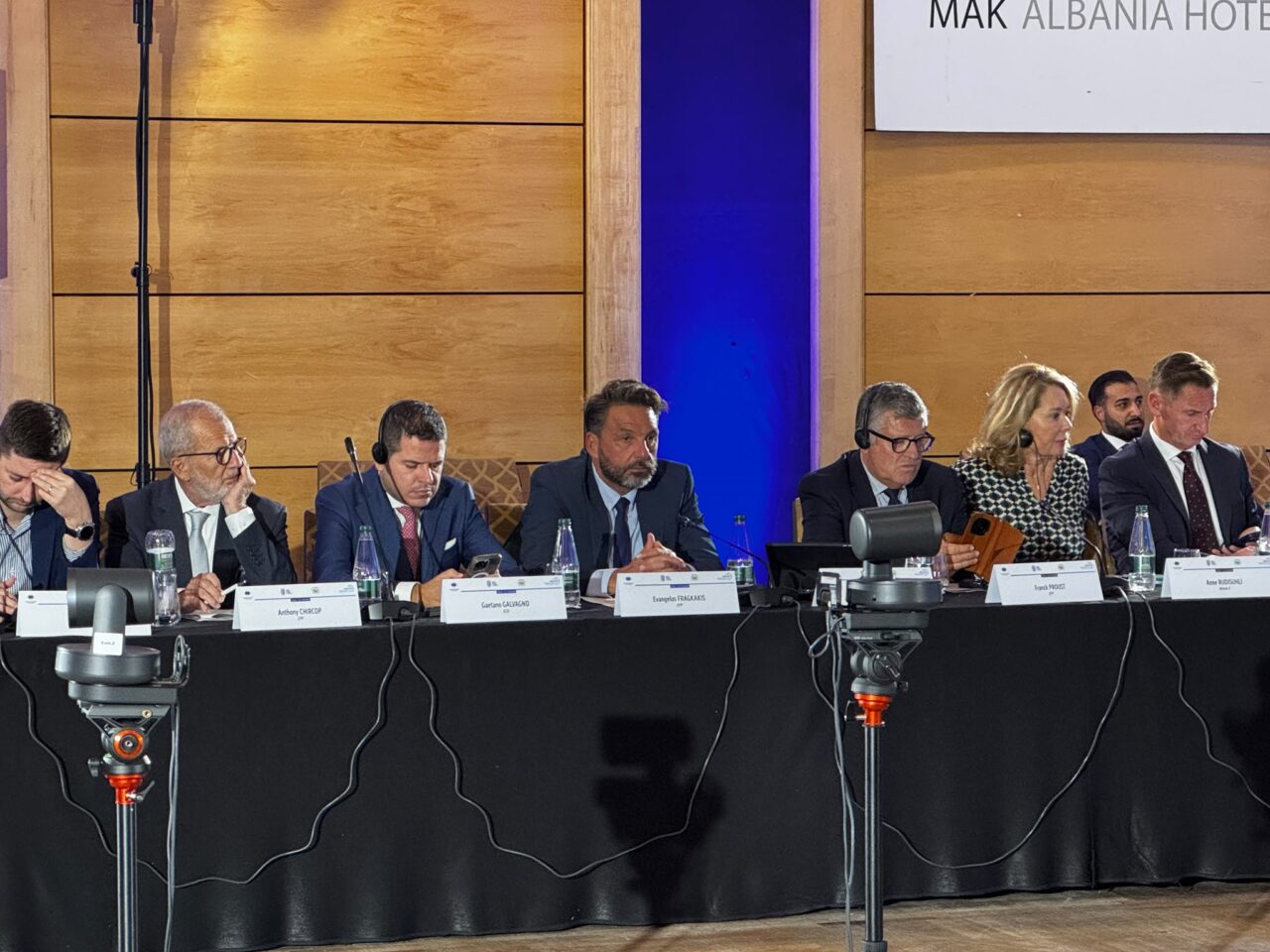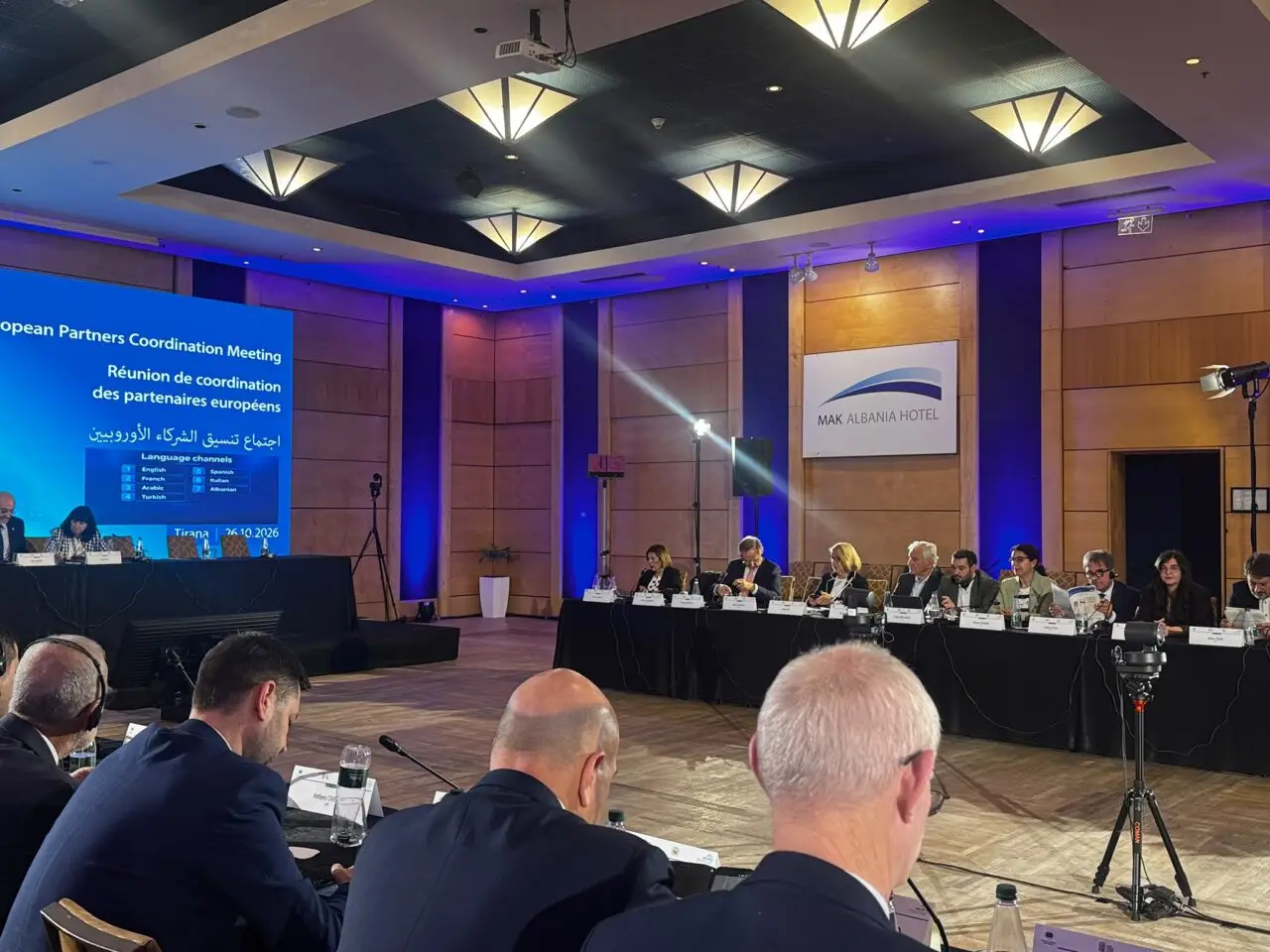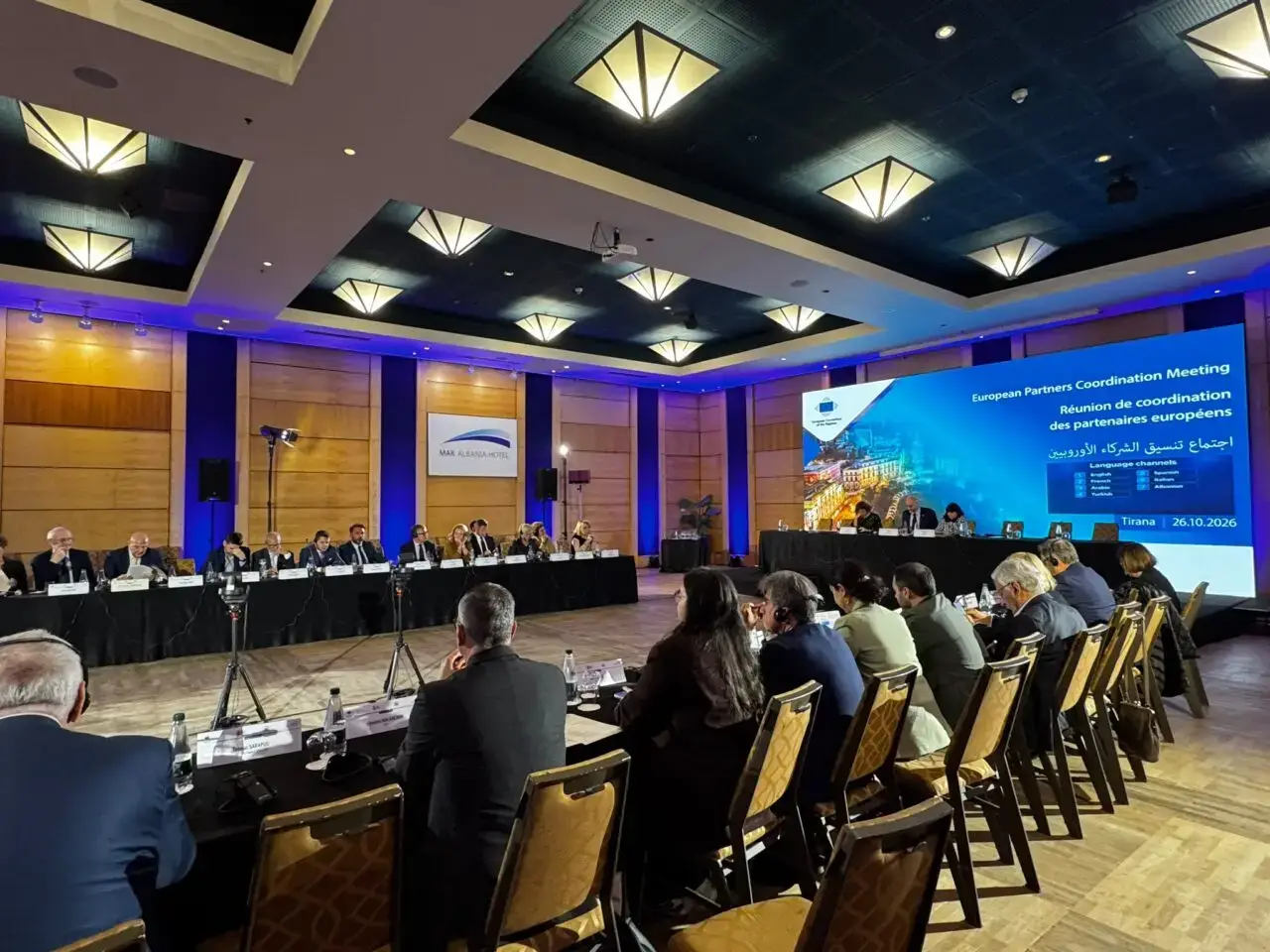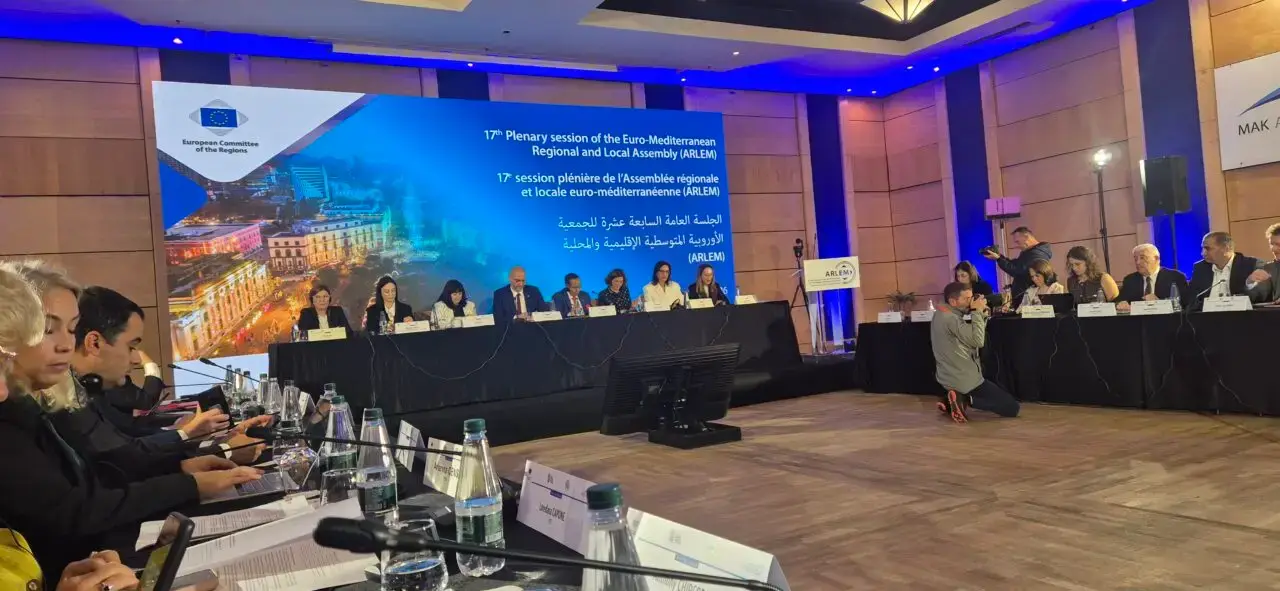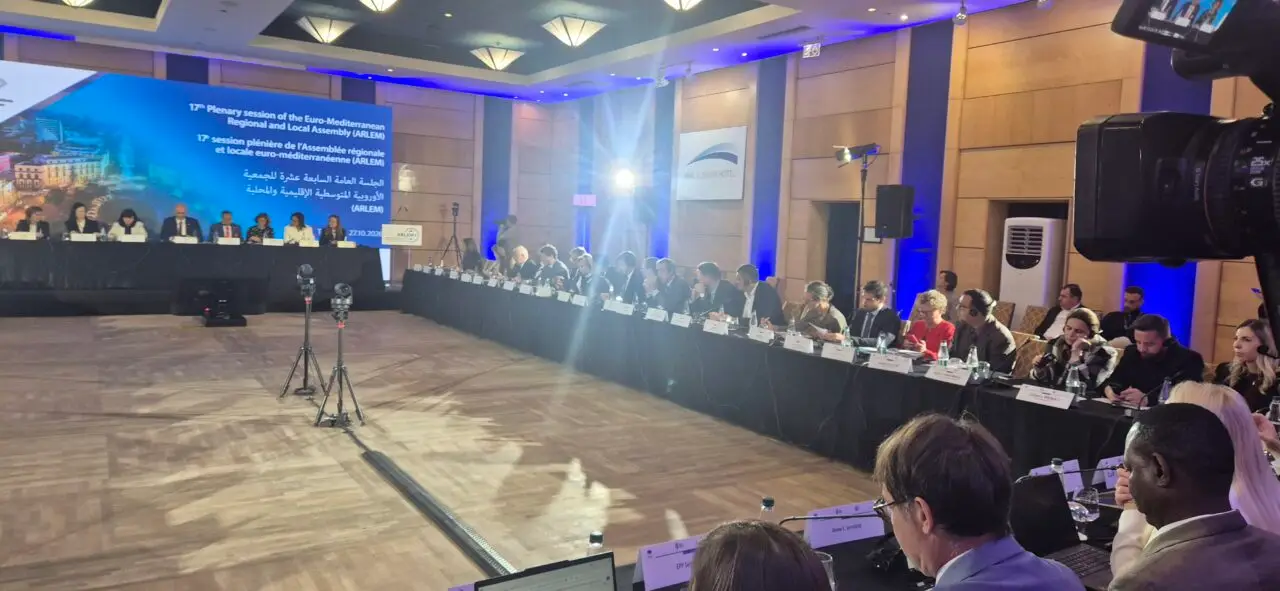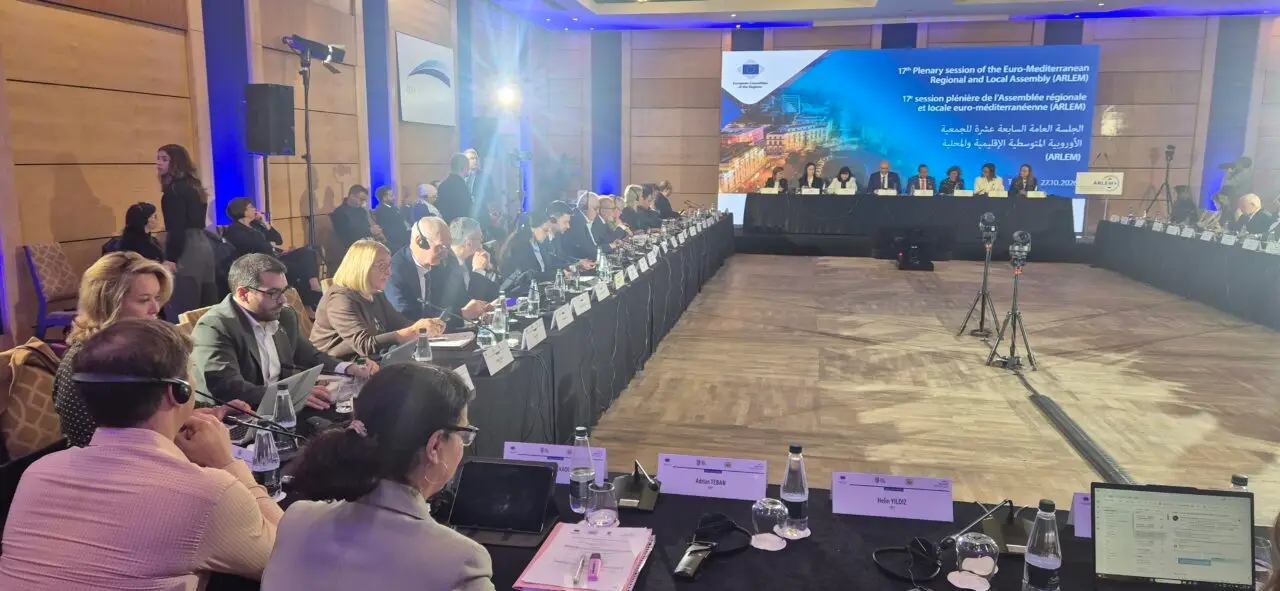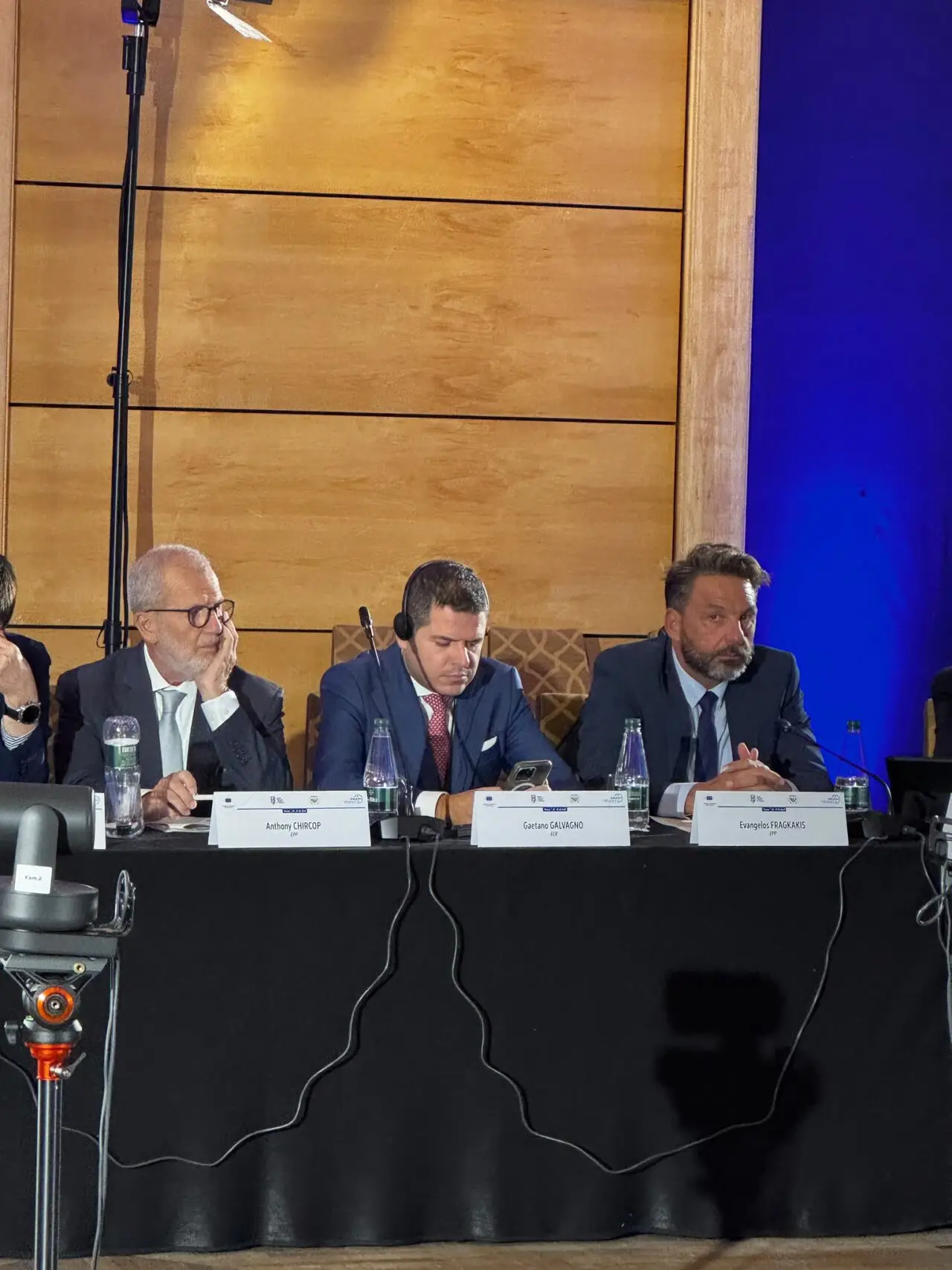
The 17th Plenary Session of the Euro-Mediterranean Regional and Local Assembly (ARLEM), taking place on October 26 and 27, 2026, in Tirana, Albania, the Mayor of Chalki, Mr. Evangelos Fragakis, as a member of the Greek National Delegation to the European Committee of the Regions.
This year’s session is taking place at a particularly critical time for the future of the Mediterranean, with the European Union promoting a new framework for cooperation that aims to strengthen economic growth, regional cohesion, security, and the sustainable well-being of societies on both sides of the Mediterranean.
The central focus of the proceedings is the new Pact for the Mediterranean and, above all, how European strategies will be translated into concrete policies and interventions at the local and regional levels.
Particular emphasis is placed on the need for municipalities and regions to play a more substantive role in shaping, implementation, and evaluation of European initiatives, as they represent the level of governance closest to the actual needs of citizens.
The Three Strategic Pillars
The discussion focuses on three strategic pillars:
- The first concerns people, education, and youth, with initiatives to establish a Mediterranean University, strengthen educational exchanges, skills development, and the creation of career opportunities for young people.
- The second pillar focuses on economic integration and sustainable development, with the aim of strengthening entrepreneurship, small and medium-sized enterprises, investment, energy interconnections, and modern transportation infrastructure.
- The third pillar concerns security, civil protection, and migration management, highlighting the need for closer cooperation in crisis prevention, responding to natural disasters, and managing common challenges.
A Stronger Presence for Municipalities in European Decision-Making
A significant portion of the session is devoted to the report on the implementation of the Pact by local and regional authorities, with co-rapporteurs Marie-Antoinette Maupertuis, President of the Corsican Assembly, and Jamal Abu Obeid, Mayor of Great Ramtha, Jordan.
The report highlights the need to address a long-standing problem in European policy: the gap between central planning and the actual capacity of local communities to implement policies.
Key priorities include simplifying access to European funding programs, strengthening the administrative capacity of smaller municipalities, addressing water scarcity and the climate crisis, improving connectivity in island regions, and ensuring the meaningful participation of young people in local development. At the same time, the possibility of enhanced ARLEM representation in the monitoring and coordination mechanisms of the new Pact is being examined.
Youth, Employment, and Demographic Resilience
The Mediterranean Youth Skills and Jobs Initiative occupies a prominent place on the agenda, linking vocational training to local economic development and job creation.
As part of ARLEM’s planning for 2027, the drafting of a report on this topic is being promoted, focusing on young people’s opportunities to acquire skills, enter the labor market, and pursue professional careers in their regions of origin.
This issue is of particular importance for small island and remote communities, where the lack of career prospects is directly linked to demographic decline and the exodus of young people.
Statement by the Mayor of Halki, Evangelos Fragakis
The Mayor of Halki, Mr. Evangelos Fragakis, stated the following:
“The new European strategy for the Mediterranean opens a substantive discussion on the future of cooperation, development, and social cohesion in a region with great potential but also complex challenges.
The most important goal is for decisions made at the European level to have a tangible impact on local communities. Strengthening economic cooperation, providing access to financing tools, addressing the climate crisis, managing water resources, and creating opportunities for young people are issues that require common European responses.
For small island municipalities, recognition of their permanent geographical and administrative constraints is of particular importance. The same policies cannot be applied everywhere without taking into account the actual conditions of each region.
European cooperation must be based on the principle of subsidiarity, with the meaningful participation of local governments and with funding tools that are truly accessible even to the smallest municipalities.
Above all, however, we must invest in young people—in their education, their skills, their employment, and their ability to choose where they want to live.
The success of the new Mediterranean Pact will be judged by whether it creates real opportunities for citizens, not by the number of new institutional mechanisms that are established.”
Greek Interest in Hosting ARLEM in 2027
As part of planning for future work, the Greek Delegation’s expression of interest in hosting the ARLEM Plenary Session in Greece in 2027 takes on particular significance.
This initiative is also linked to Greece’s assumption of the rotating Presidency of the Council of the European Union during the second half of 2027, thereby creating the conditions for further highlighting Greece’s role in the Euro-Mediterranean dialogue.
The Mayor of Chalki’s participation in ARLEM’s work is part of the ongoing institutional presence of Greek island local governments in European bodies, with the aim of highlighting issues of territorial cohesion, multi-level governance, and the equal participation of local communities in European policies.