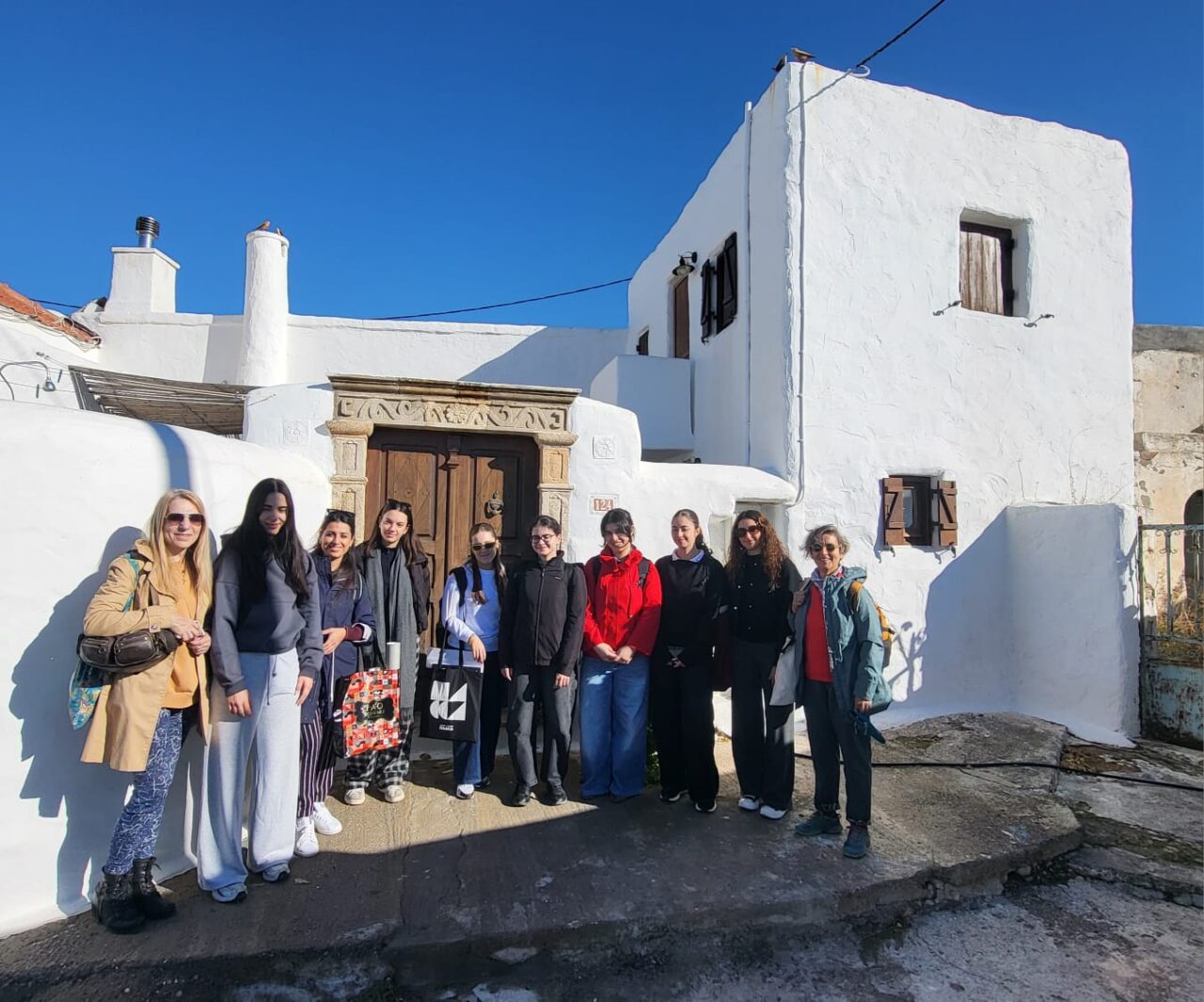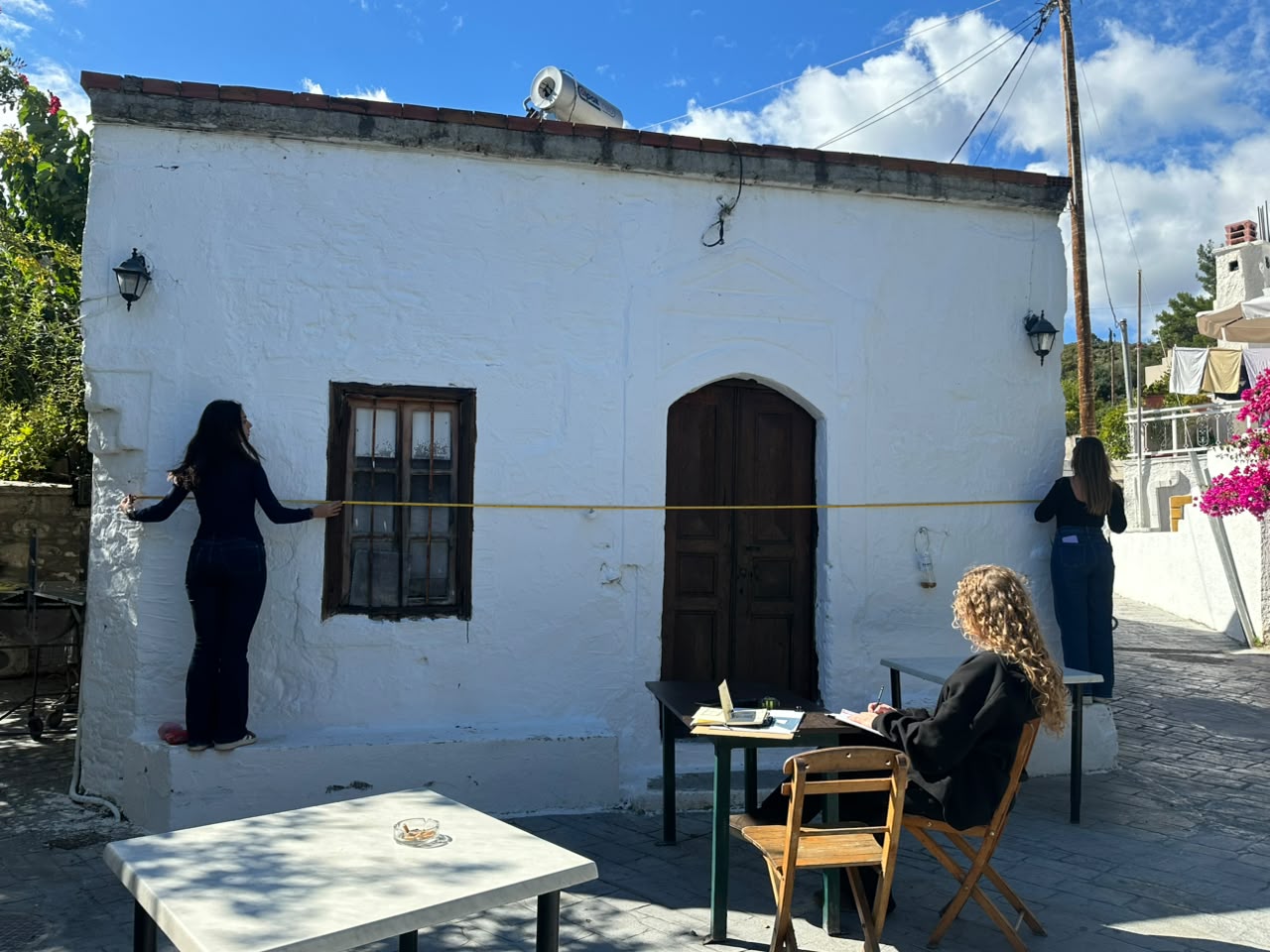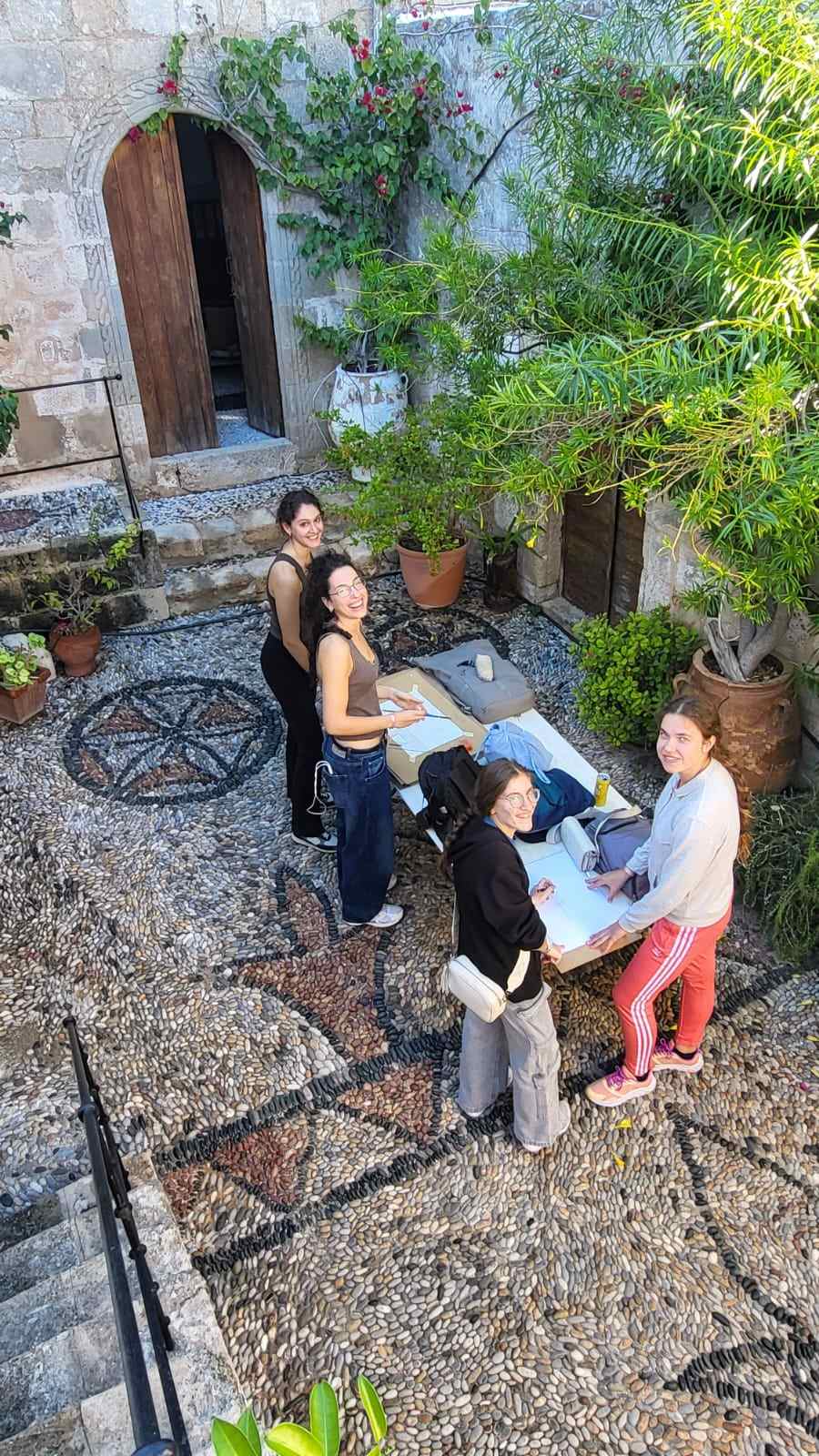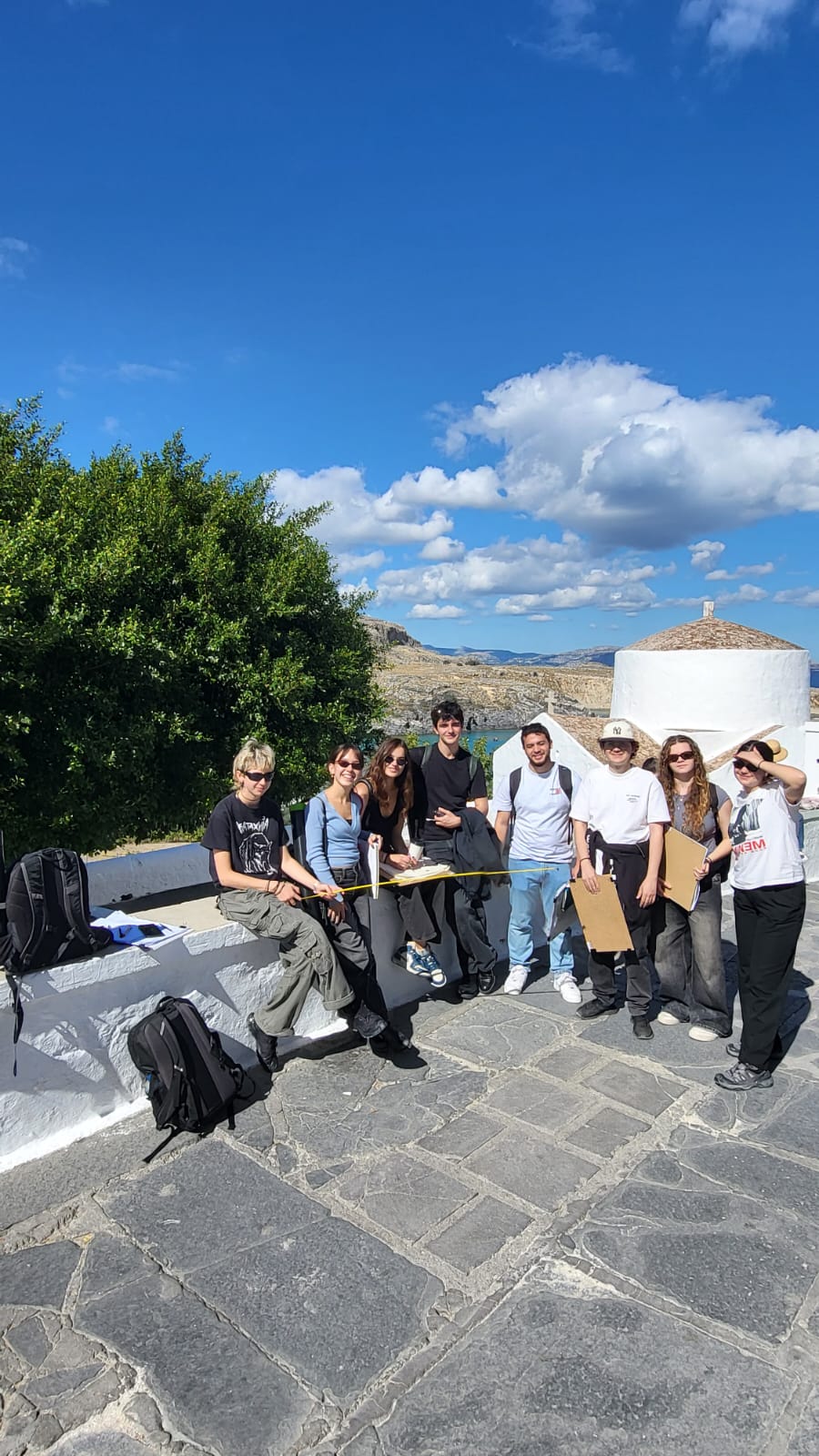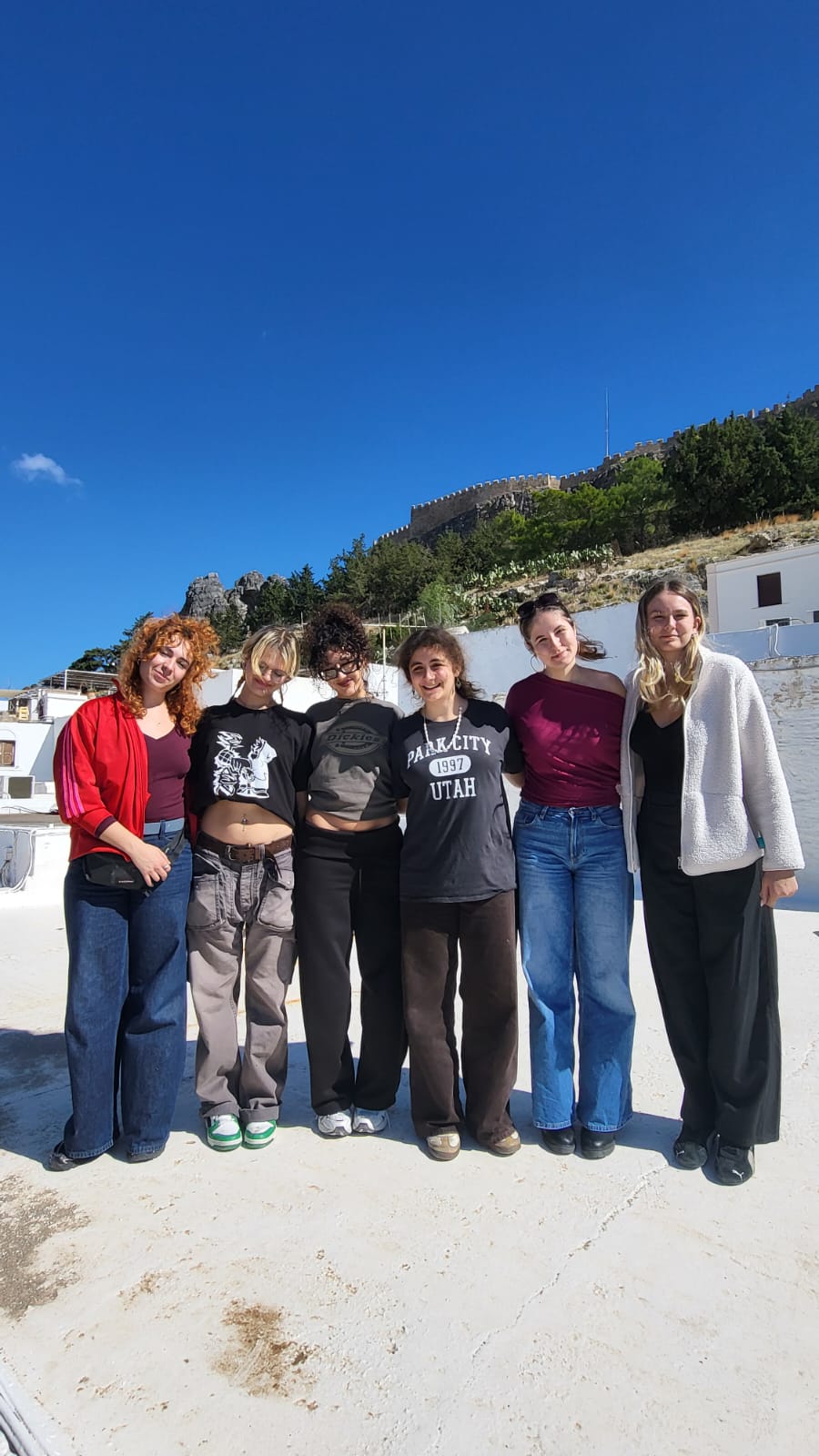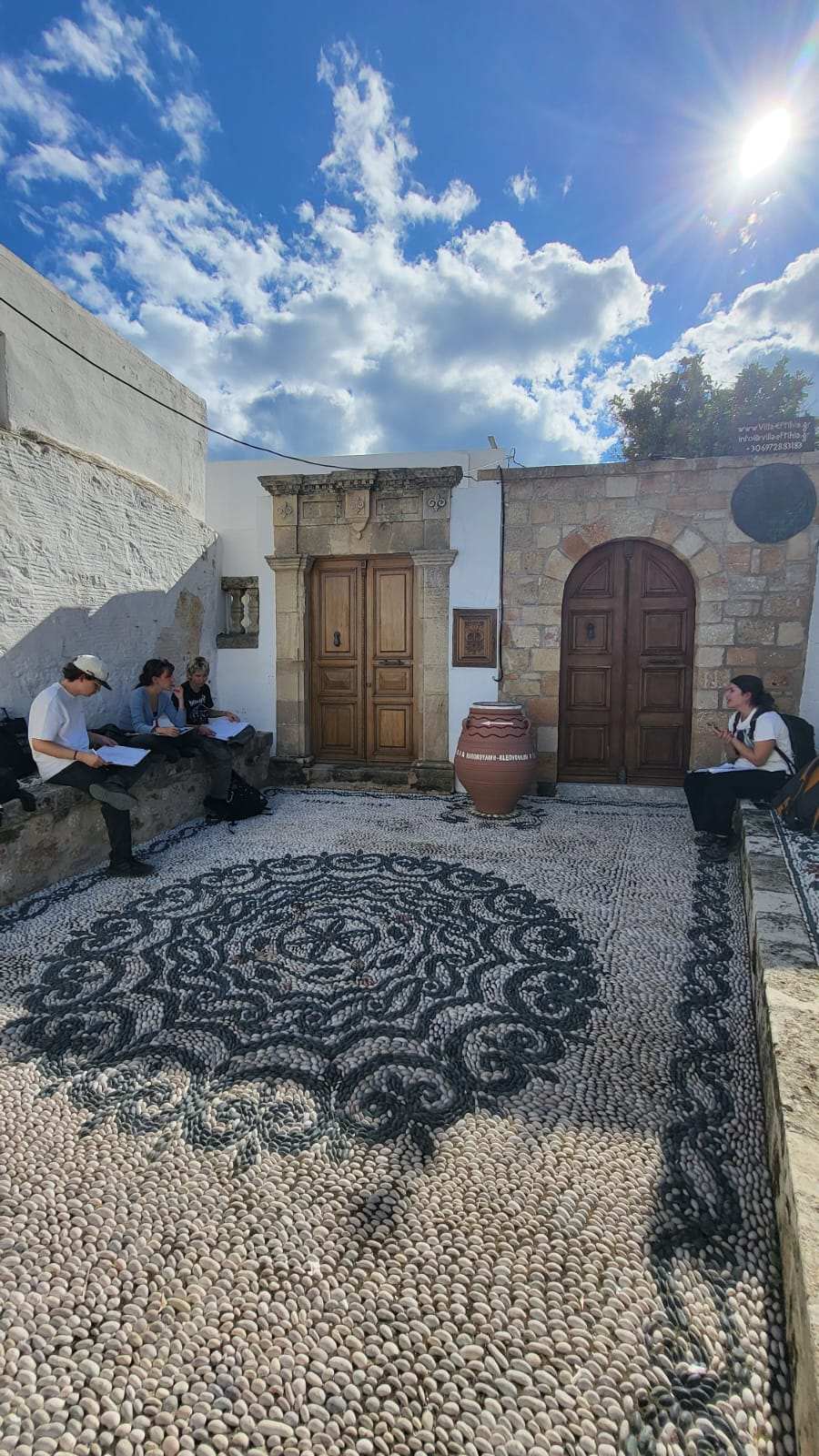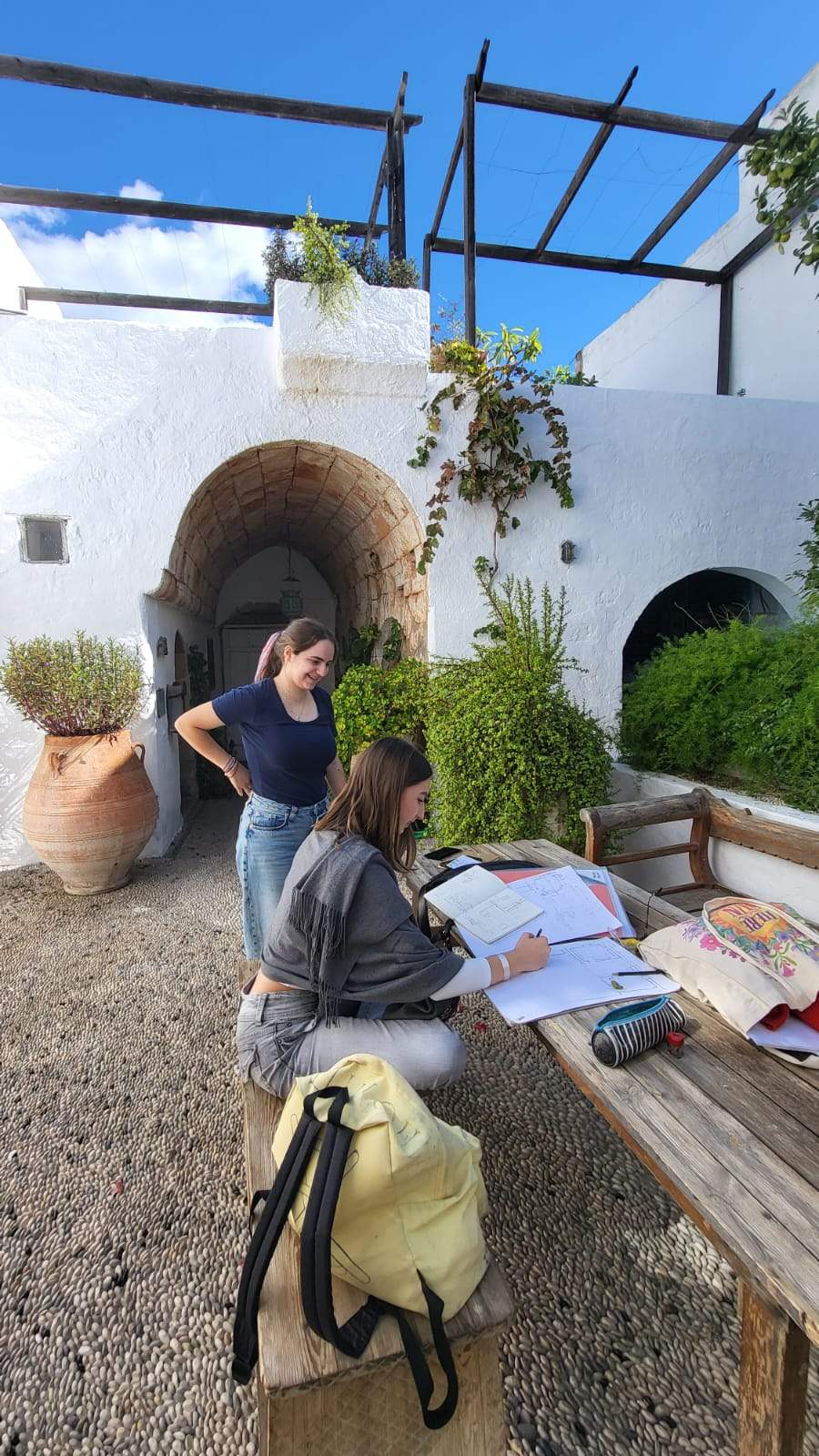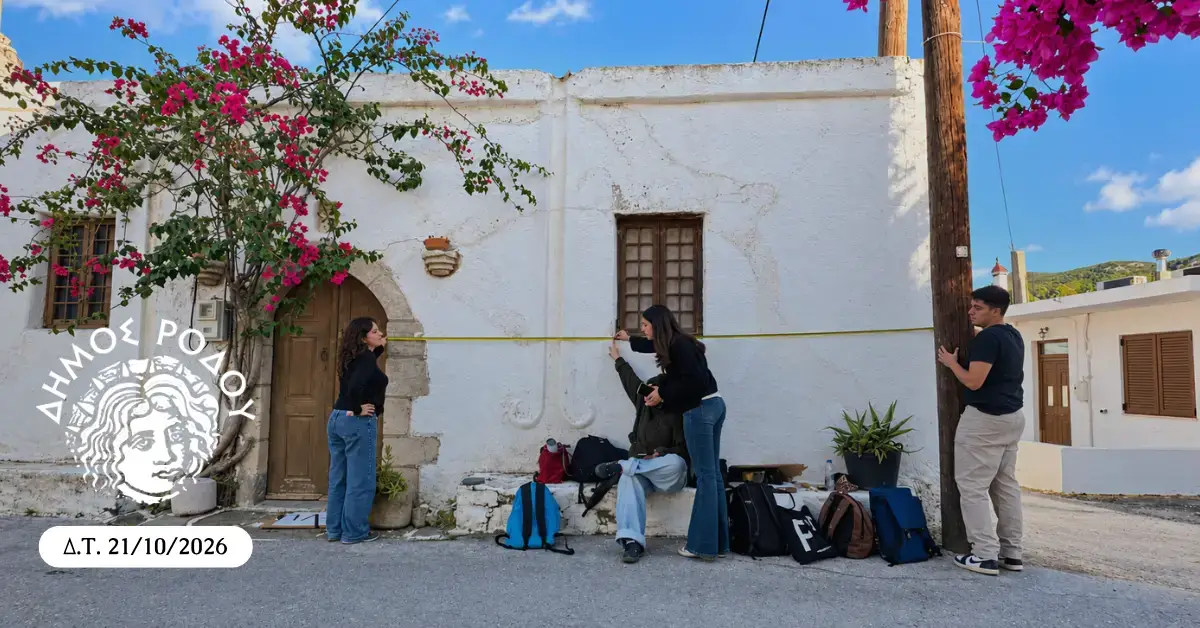
The Municipality of Rhodes is hosting the School of Architecture of the National Technical University of Athens, which is currently visiting the Municipal Unit of Southern Rhodes as part of the “Analysis and Study of Historic Buildings and Complexes” in the undergraduate program.
The visit, which runs through October 22, is educational in nature and forms part of the interdisciplinary required course for the 5th semester. The island is hosting 48 students and 3 faculty members, with Professor Riva Lavva serving as the academic director. The program is organized by the Municipality of Rhodes in collaboration with local business owners and hoteliers in the area.
Scope and Objectives of the Academic Research
The subject of the course is the identification, systematic analytical investigation, and evaluation of traditional settlement complexes, as well as their structural composition. The primary objective is to study the elements that determine the structure, form, construction, and distinctive architectural character of the buildings. The program includes fieldwork, while the detailed analysis of the data will continue throughout the semester in the classrooms and laboratories of the National Technical University of Athens (NTUA).
The settlements where the research is being conducted are Lachania, Mesanagros, Vati, Arnitha, and the historic center of Lindos.
Digital Archive and Future Initiatives
The results of this work will be posted in the NTUA digital archive at http://5a.arch.ntua.gr/. This archive is freely accessible to the public and serves as a tool for cataloging, documenting, and promoting architectural heritage.
Upon completion of the academic project, the students and faculty members will return to the region to organize exhibitions and workshops. The goal of these events will be to present the study’s findings and highlight the architectural richness of Southern Rhodes.
As noted by the municipal authorities, this initiative brings scientific knowledge closer to local communities, contributing to the documentation and preservation of cultural identity and the creation of conditions for the area’s sustainable development.